Common
Bird#105
Sun-warmed river valleys
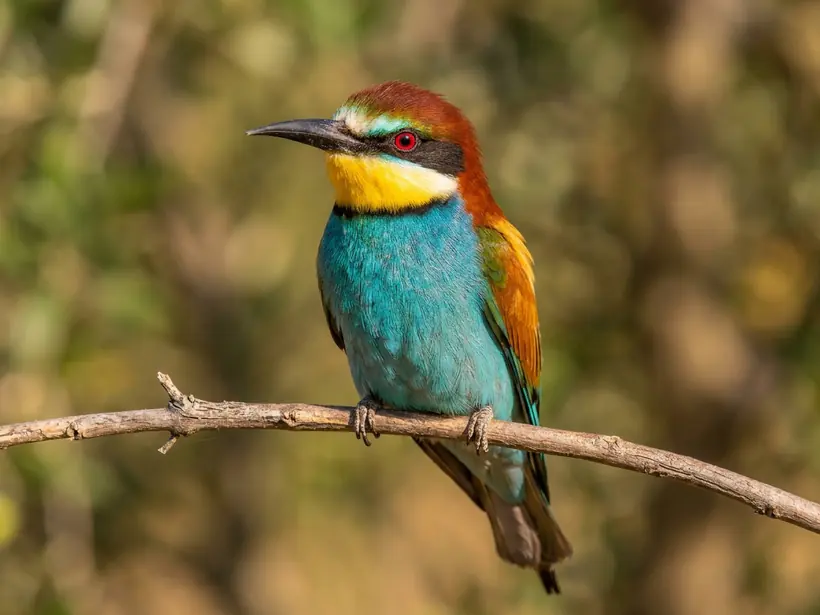
European bee-eater
Merops apiaster
Before eating a bee or wasp, it rubs the insect’s abdomen rapidly against a branch to discharge the venom and sting.
 WildlifeDex
Merops apiaster
Before eating a bee or wasp, it rubs the insect’s abdomen rapidly against a branch to discharge the venom and sting.
Species Card #105 · Bird
Merops apiaster
Painted in turquoise, golden-yellow, chestnut, and emerald, gregarious flocks of European bee-eaters hawk flying insects cleanly out of mid-air like swallows. Pairs dig meter-deep nesting tunnels into sunny sandy cliffs alongside dozens of neighbors.
Field Note
Before eating a bee or wasp, it rubs the insect’s abdomen rapidly against a branch to discharge the venom and sting.
Card tiers describe draw odds in WildlifeDex, not wild population size or extinction risk.
WildlifeDex Studio (AI-Assisted Naturalist Portrait) · WildlifeDex Site Terms